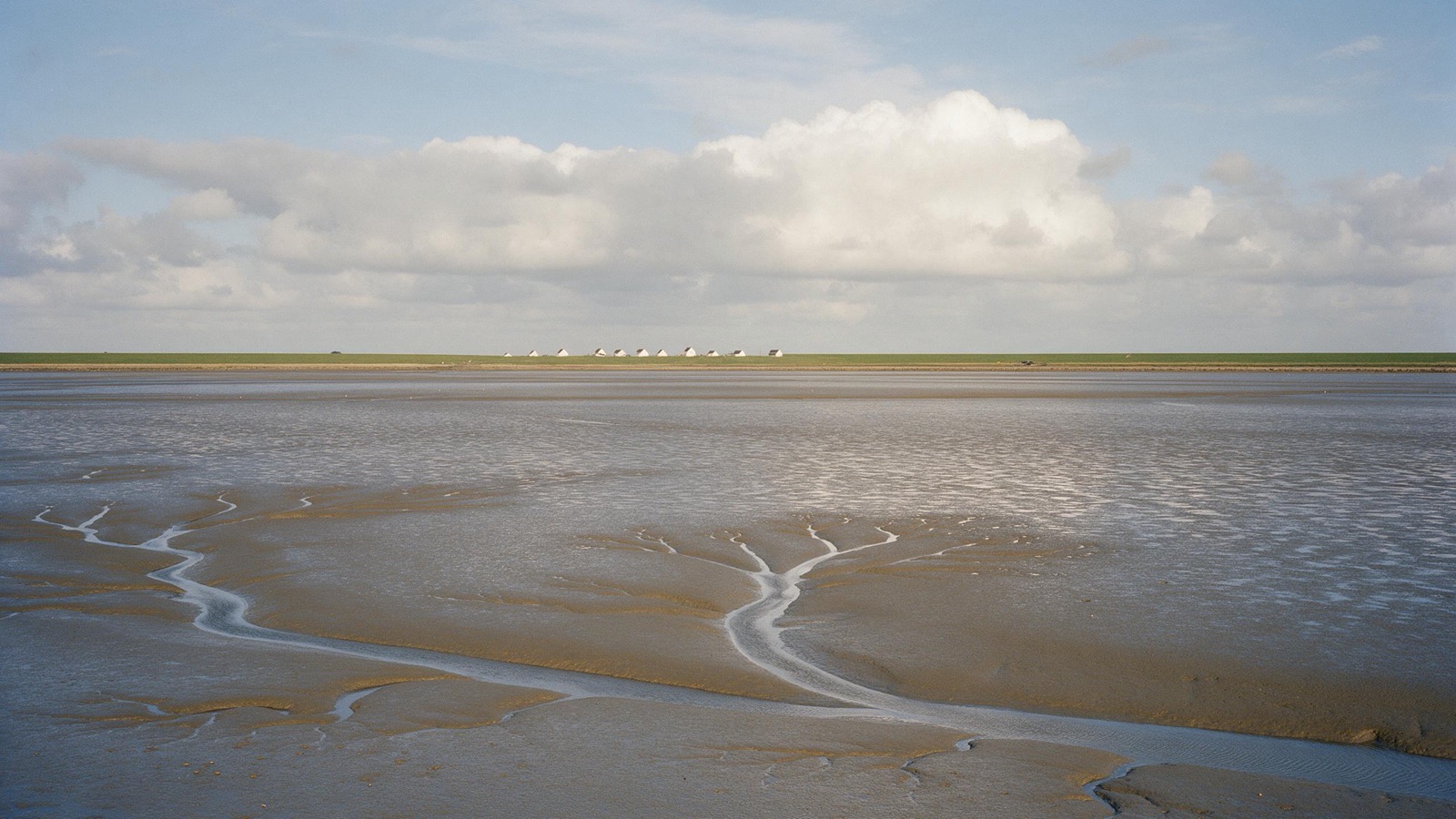
Vacation Homes on the North Sea
The wind here comes mostly from the west. The old houses of the islands and the marshes answer it with an east-west axis and a front door on the sheltered south side, and living in a whole house gives you both of those sides, the one that takes the weather and the one you sit out on in the evening. Vacation homes usually stand at the edge of a village behind the dike line, in the seaside resorts and harbor towns of the mainland or in the island settlements. What ends up in the pan often comes from one of the cutter harbors along the coast.
The year in this region
September: Dithmarschen cuts the first cabbage
The Dithmarscher Kohltage begin in the third full week of September, every year since 1986. They open with the Kohlanschnitt, the first cut, on a farm that changes each time. Between Meldorf and Wesselburen lies Europe's largest contiguous cabbage growing area, more than 3,000 hectares and around 90 million heads a year. Two Kohlregentinnen represent the region.
In the middle of the month the sun rises at 6:57 AM and sets at 7:43 PM. That leaves 12 hours and 46 minutes of daylight.
Water and air: Open-Meteo, measured averages. How busy: share of school holidays 2027 across all sixteen federal states. Nature dates: German Weather Service, phenological observations 2014 to 2026 at 225 stations in the region, typical day.
Tours in this region
Marked tours that fit into a day from a site, and one multi day tour per kind.
- Hiking
Störtebekerweg
A trail across the Frisian flatland, from Leer along the East Frisian coast to Wilhelmshaven, named after the pirate who is said to have hidden here. It crosses dykes and marsh and passes windmills, always with a wide horizon. There is nearly always wind, and it decides which way round you walk.
187.8 kmMulti day tour
- Hiking
Watteninsel Wanderweg Borkum 01
The first of two Borkum stages of the Waddenwandelen path, almost 15 kilometres from the town along the north side to the Ostland: first the beach promenade with its surf, then the Kobbe dunes out of the wind with their damp dune valleys. Cars are banned in the town centre, and the island railway runs from the pier. At low tide the view runs over the sand to the horizon.
14.8 km
- Cycling
Nordseeküstenroute
The German leg of the European North Sea route, largely along the paths beside the dyke, with stretches inland in between. The mudflats on one side, the marsh with its dyke grazing sheep on the other. Wind is part of the deal, and riding from the Ems towards the Elbe usually puts it behind you.
963.8 kmMulti day tour
- Cycling
Friesenroute Rad up Pad
A loop through East Frisia linking the coastal dyke at Norddeich with the small lanes inland. It passes bogs, peat canals and villages of Gulf farmhouses, and it is so flat you barely change gear. The 290 kilometres are split into six stages, good for the better part of a week.
272.9 kmMulti day tour
- Cycling
Internationale Dollard Route
A loop around the Dollart, the bay between Germany and the Netherlands, crossing the border on both sides. The route runs along dykes and through polders, past pumping stations and windmills. Thousands of geese rest at the mouth of the Ems in autumn.
300 kmMulti day tour
Tours: © OpenStreetMap contributors, ODbL. Lengths computed from the mapped course, as of September 12, 2026.
Animals you can meet here
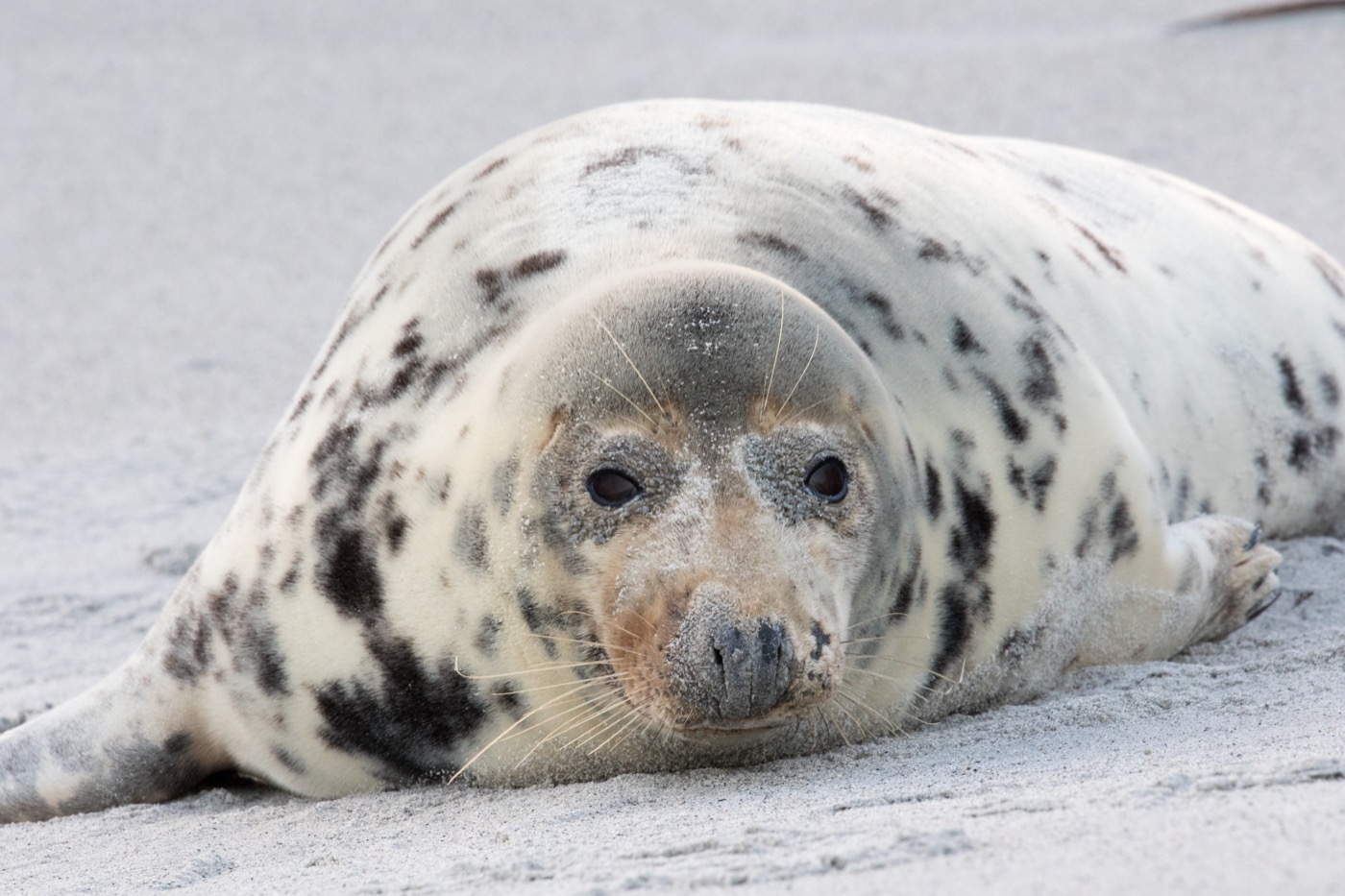 all year
Harbour seal
Around 24,000 harbour seals are counted in the Wadden Sea, with the total population estimated at about 35,000. At low tide they lie out on the sandbanks, and boats leave many harbours along the coast and islands to pass the sandbanks at a distance.
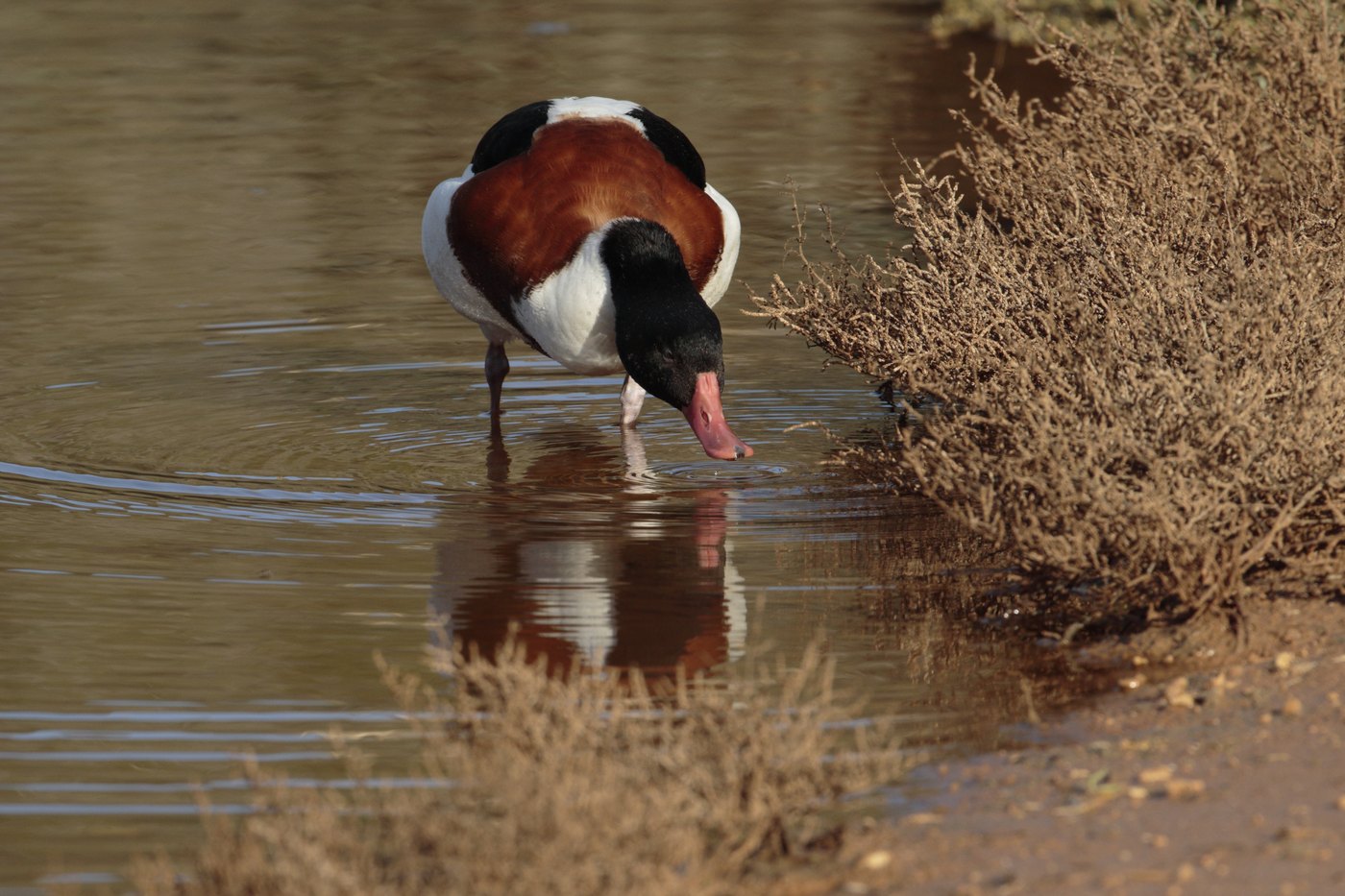 July to August
Common shelduck
A rust brown band, a black head and a red bill make it the most striking duck of the Wadden Sea. In high summer hundreds of thousands come here to moult and stand in dense groups out on the sands.
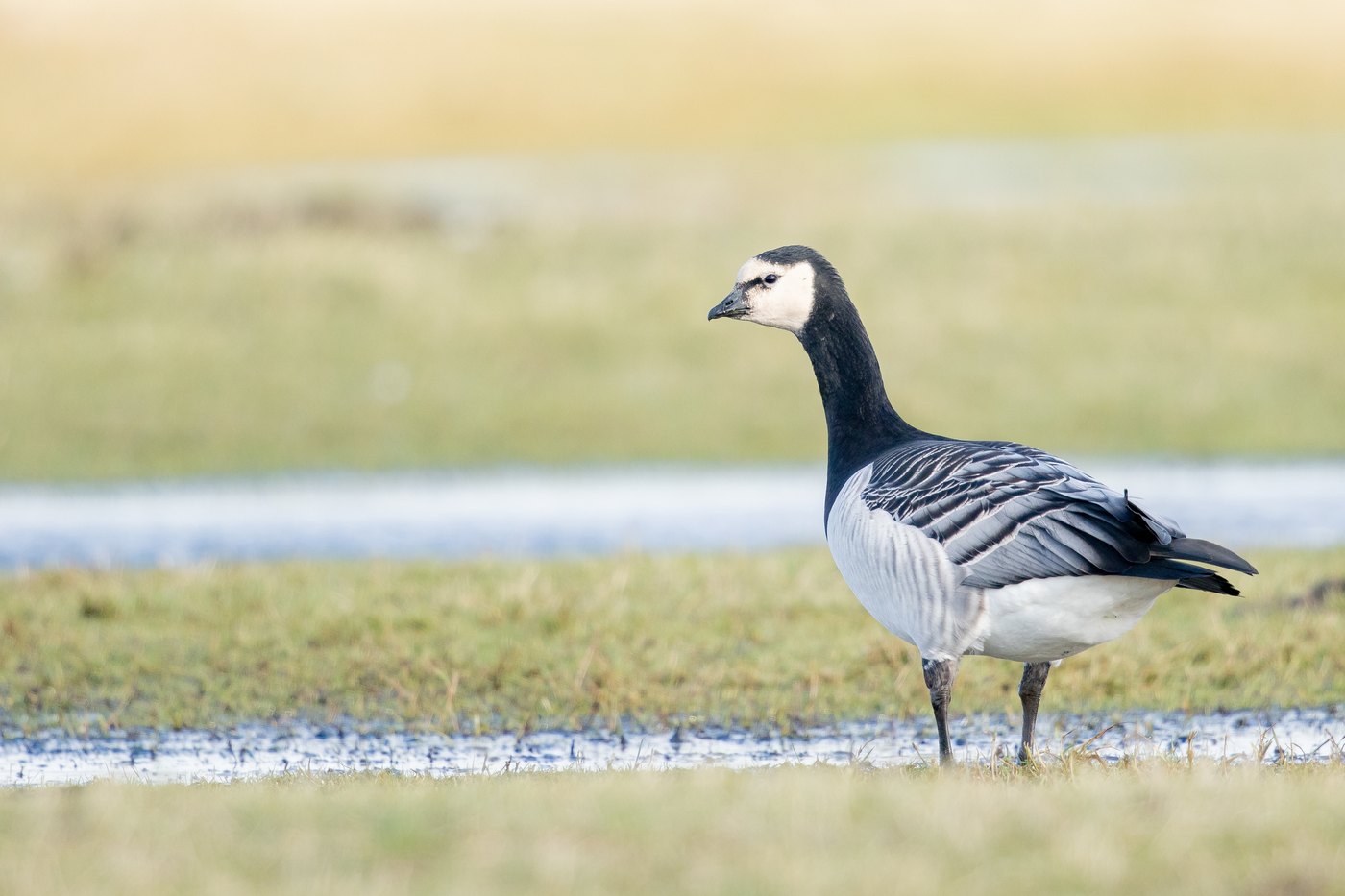 October to May
Barnacle goose
Barnacle geese graze mostly on inland grassland all winter, then in spring move onto the salt marshes and feed up for the flight to the Arctic. In the Wadden Sea they gather in tens of thousands, in smaller flocks on the Baltic coast, and when a flock lifts off you hear it before you see it.
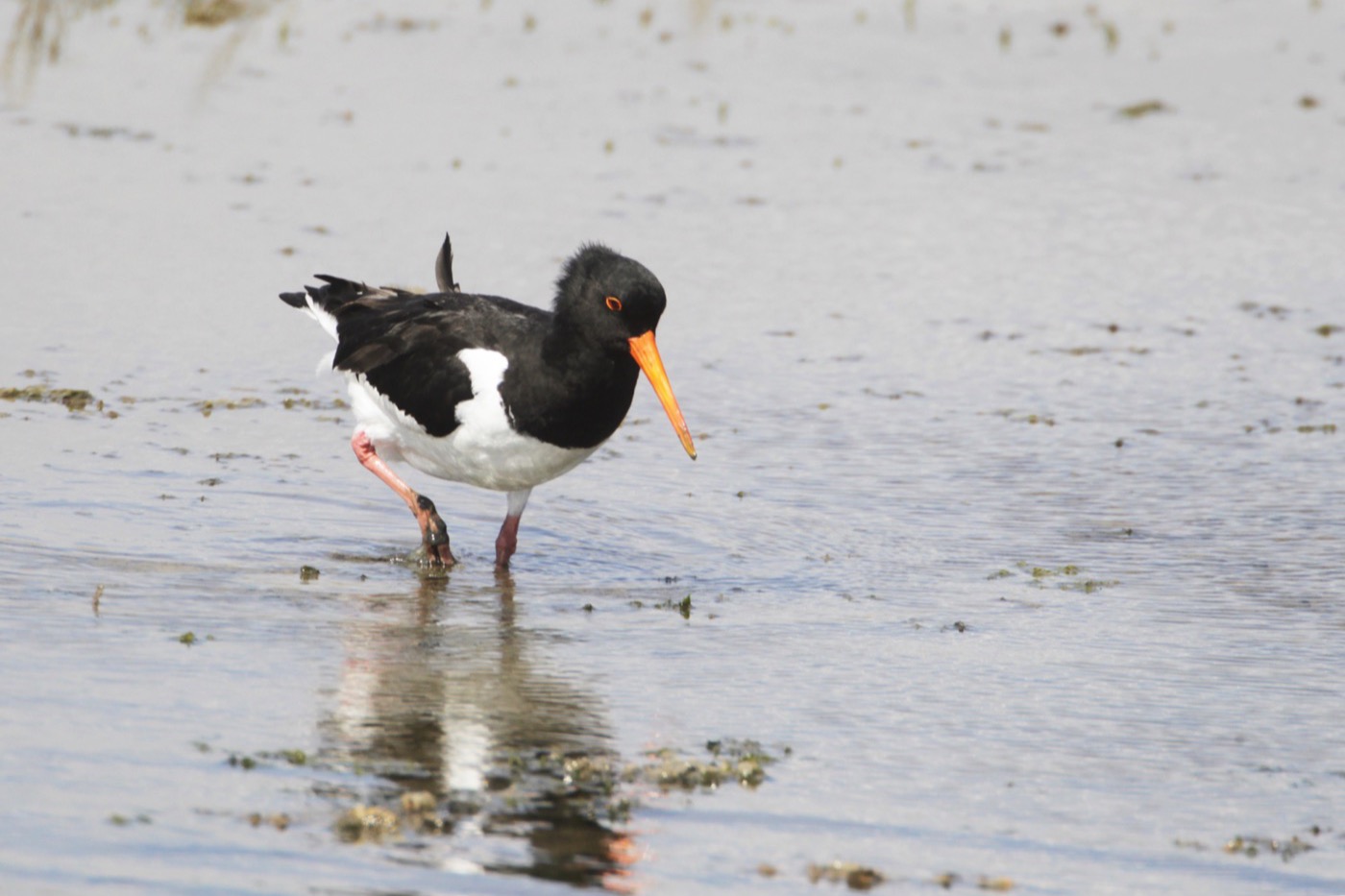 all year
Oystercatcher
Black and white with a bright red bill, and loud enough that you hear it before you see it. In spring it nests on the open ground behind the dyke, and for the rest of the year thousands of them stand out on the sandbanks and tidal flats.
Pictures: Freepik
What to check before booking
- Does it stand alone or in a settlement?
- Holiday house does not automatically mean remote. In a holiday park the houses sit close together and you hear the neighbours in the garden; at the edge of a wood the next roof can be a hundred metres away. The map in the listing tells you faster than the text.
- What comes on top of the rent?
- Final cleaning, bed linen and the local visitor levy are often billed separately. Some hosts also meter electricity and water. It is in the terms, not in the headline.
- Is everything on one level?
- Many holiday houses spread over two floors, with the bedrooms upstairs under the sloping roof. Anyone who climbs stairs badly looks at the floor plan.
- Is there a fixed changeover day?
- With holiday houses the week runs Saturday to Saturday in many places, and in high season few hosts move on that. Outside the season there is usually more room. Anyone wanting to arrive midweek settles it before searching.
- Is the plot fenced?
- A fence is not a given. With a dog or small children it is the most important question about the house, and whether the terrace is visible from the road only shows in the photographs.
- How do you get in?
- Handover by the host in person, or a key box at the house. After a long drive and a late arrival, that is the difference between arriving and waiting.
Who it suits
Made for
Families and groups who do not have to be quiet in the evening. Anyone staying a week or two in the same place cooks for themselves and does not plan the day around breakfast times. With a dog it is the simplest choice as well.
Less so for
For a single night it rarely pays off, and many hosts only let from several nights upwards. Anyone who wants service, meaning made beds and someone at a reception desk, is better off in a hotel. And without a car many houses lie awkwardly.
Where it comes from
The rented holiday house comes from the north. In Denmark, wealthy townspeople were putting the first summer houses up in the dunes as early as the nineteenth century, first near Søndervig on the west coast, later in Nordseeland. After the war it became a mass phenomenon: in 1945 the country counted a good four thousand such houses, twenty years later more than a hundred thousand. In the fifties the first agency there began letting such houses to guests by the week. Denmark has around 220,000 summer houses today, and German guests account for the largest share of nights in the rented ones.
Good to know
Dogs allowed more often
A plot of your own makes bringing a dog easier than a flat in a shared building. It is still not a given, and some hosts limit the number or the size.
Parking at the house
A holiday house usually comes with a space on the plot. With a motorhome or a trailer, ask beforehand whether the access is wide enough.
A fireplace is not a promise
A stove in the living room does not mean it may burn all year. Whether wood is laid in or bought yourself is something the host will say.
Dark skies
Places certified by DarkSky International.
Spiekeroog
On the car free island there are no headlights and little street lighting. Walk over the dyke into the dunes in the evening and you have the sea on one side and the stars on the other.
Pellworm
The marsh island is flat as a table, so the view reaches the horizon in every direction. Constellations that stay behind hills or houses elsewhere stand clear here.
Getting there
- 1 h 45 minHamburg
- 4 h 30 minBerlin
- 5 h 05 minKöln
- 5 h 30 minLeipzig
- 6 h 05 minFrankfurt am Main
- 8 h 30 minMünchen
Good to know
The Biike on 21 February
The largest fire of the year burns in winter. On 21 February, Sylt, Föhr, Amrum, the Halligen and many mainland villages light more than sixty Biiken. The custom has been on the register of intangible cultural heritage since 2014.
The mudflats are not a beach
A mudflat walk starts about two hours before low water and never on a rising tide. Tidal creeks fill faster than you can walk back. Nobody should go further out than sight of the dike without a licensed guide.
Breeding season from April to July
Many salt marshes and island areas are closed during this time, in the breeding grounds you have to keep to the marked paths until 31 July, in the core zones all year. The uninhabited islands can only be visited with a guide, the boundaries are signposted and they are checked.
Dogs on the beach
Every municipality sets its own rules, and bird protection in the national park comes on top of them. Marked dog beaches exist almost everywhere, in between dogs are usually kept on the lead. In the protected zones of the Wadden Sea that applies all year.
Sylt by car train or ferry
The island has no road connection. Cars and motorhomes travel from Niebüll across the Hindenburg causeway on the train, provided they fit the loading gauge. The other way is the ferry from Havneby on Rømø to List, about 40 minutes. Queues are normal at weekends and in high season.
Car free islands
The East Frisian islands are car free apart from Borkum and Norderney, and even there access is restricted. The motorhome stays on the mainland in a guarded car park while the ferry takes passengers and luggage. Föhr and Amrum are different, there you can bring the vehicle.
Protected landscapes
- National park
- Hamburgisches WattenmeerNiedersächsisches WattenmeerSchleswig-Holsteinisches WattenmeerRuhezone I/12Ruhezone I/51
Names and boundaries: © OpenStreetMap contributors.
