FeatureDestinations·1 min read
The coast, slowly
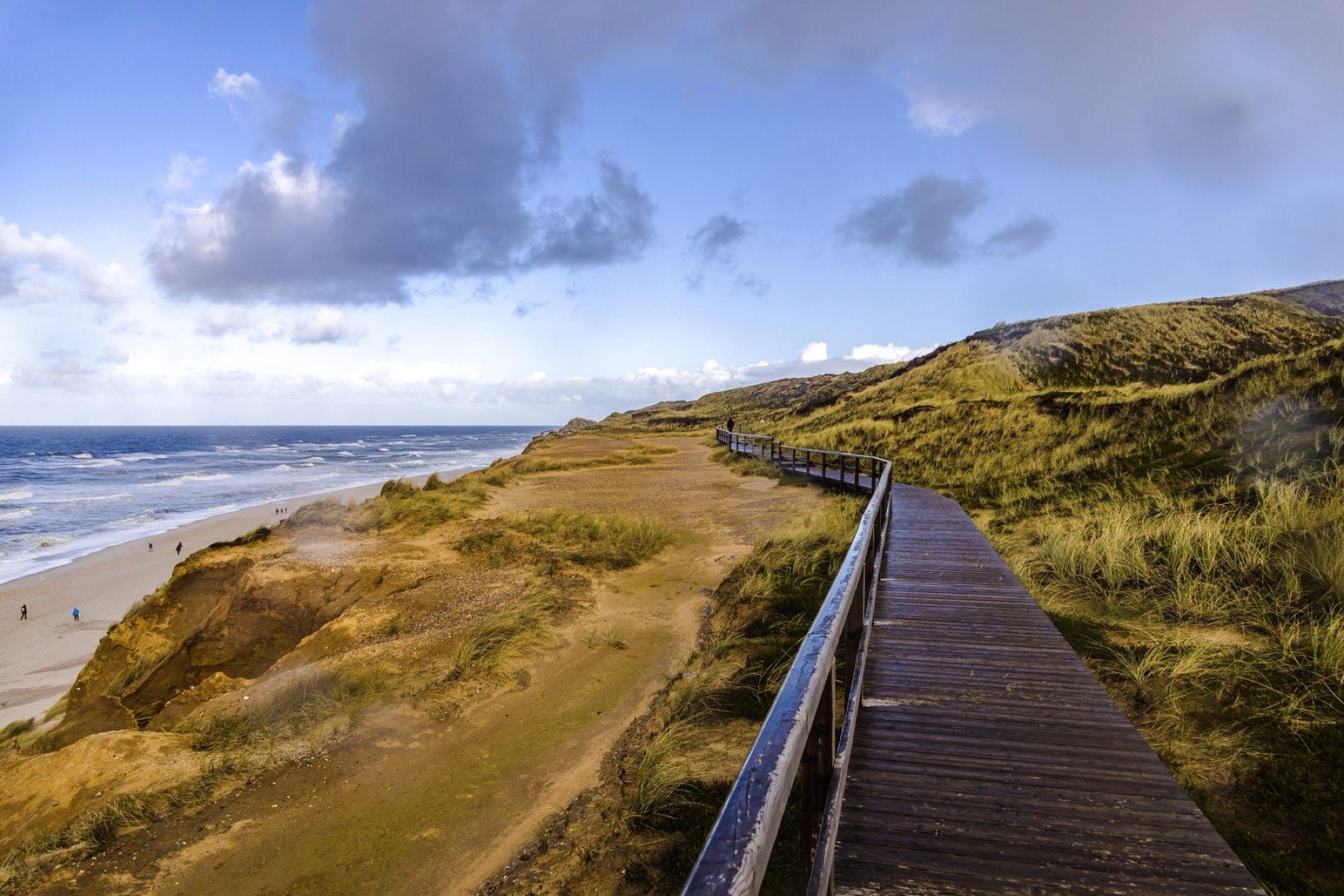
Four hundred kilometres of Baltic coast, from the Flensburg Fjord to the chalk cliffs. Four places where driving on is the worse idea.
Redaktion GROUNDS·Published on August 19, 2026
The German Baltic coast can be driven in a day. That is its greatest misunderstanding. Take the main road and you see town signs and car parks; take the coast itself and you need two weeks and still do not reach Usedom.
Geltinger Birk
Beyond Gelting the road ends and a nature reserve begins, where Konik horses have grazed for thirty years. They keep the salt meadow short so that it stays a salt meadow. You walk for two hours, see no fence, and from halfway on hear nothing but wind.
Hohwacht Bay
The bay lies so that the west wind never reaches it. What comes of that is best seen in the evening: the water between the groynes stands still, the sand holds the day's warmth, and the horizon is a straight line without a single structure on it.
The Darss and the bodden
Beech forest on the seaward side, running right down to the beach and breaking off there; two kilometres on, the bodden waters, shallow and full of reeds. In October tens of thousands of cranes rest here. They come in waves across the water at dusk, and you hear them before you see them.
The chalk of Jasmund
The chalk is seventy million years old and still crumbling; after heavy rain there are lumps on the beach in the morning that were up on the cliff the evening before. The real reason for the World Heritage title is not the rock anyway, but the old beech forest above it — one of the last never planted in rows.
