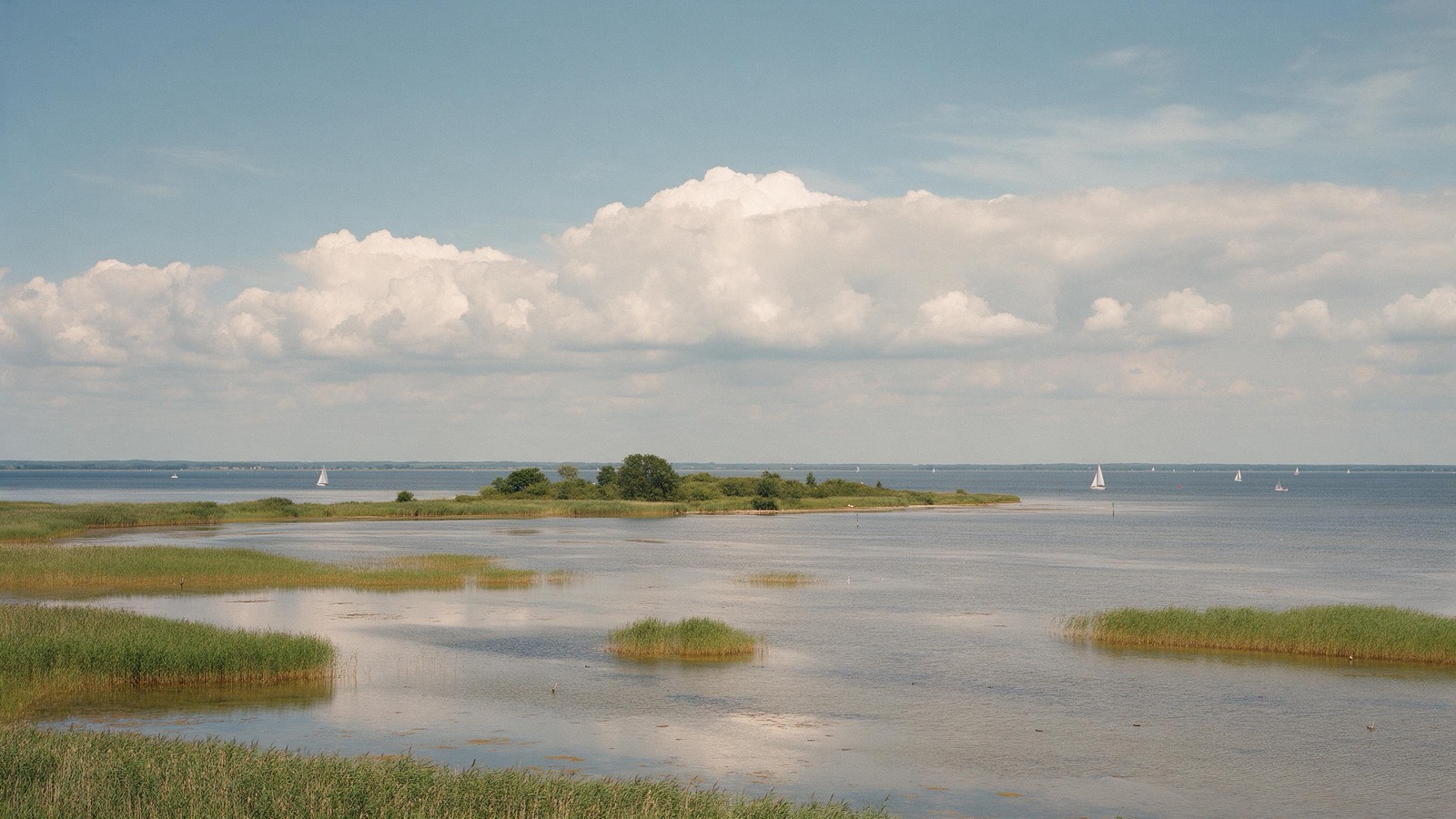
Camping in Mecklenburg-Western Pomerania
Mecklenburg-Western Pomerania has the longest coastline in Germany and more than a thousand lakes inland. Rügen, Usedom and Hiddensee lie off the coast, the shallow bodden lagoons behind them, and in the south the lake district around the Müritz. It is the most thinly populated German state, and the campsites show it.
104 places and units in this region
Places in this region

2 pitch types
Campingplatz Thiessow
4 pitch types
Dat Stranddörp
1 pitch type
Inselcamp Rügen
The year in this region
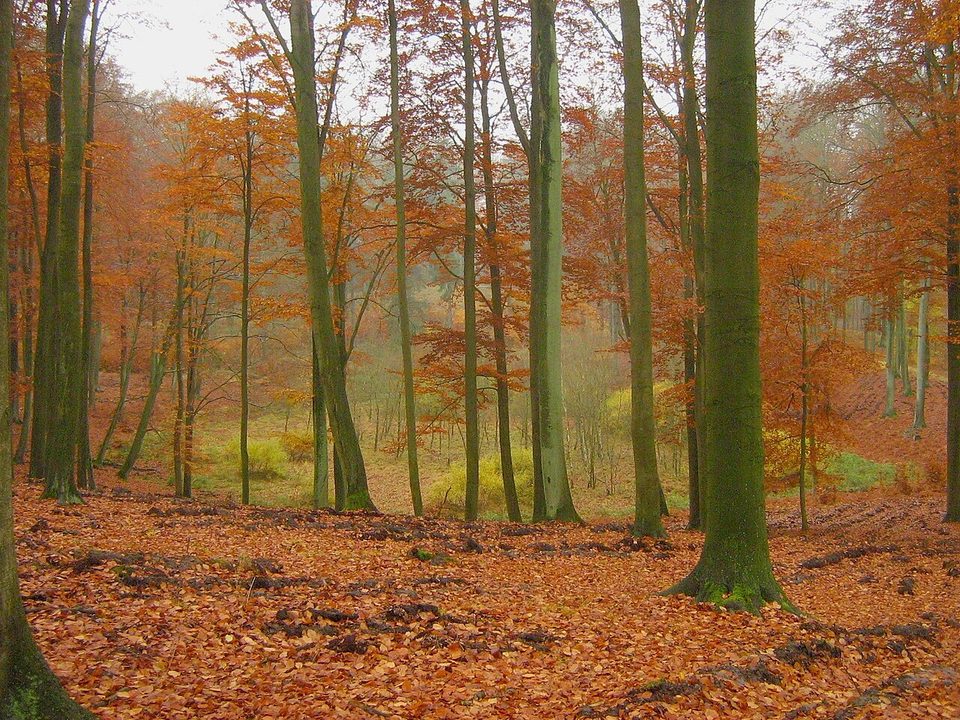
Autumn
November: Winter guests in the Pommersche Bucht
In early November the last cranes leave. After that the coast belongs to the ducks from the north: the Pommersche Bucht stays free of ice even in hard winters, and the Federal Agency for Nature Conservation counts an average of 80,000 seabirds there. Long-tailed ducks and common scoters keep to the Oderbank.
In the middle of the month the sun rises at 7:38 AM and sets at 4:15 PM. That leaves 8 hours and 37 minutes of daylight.
Water and air: Open-Meteo, measured averages. How busy: share of school holidays 2027 across all sixteen federal states. Nature dates: German Weather Service, phenological observations 2014 to 2026 at 294 stations in the region, typical day. Photos: Spring © Niteshift, CC BY-SA 3.0, cropped; Summer © Uwdh, CC BY 3.0, cropped; Winter © Gerald Schwörk, CC BY-SA 3.0, cropped.
Tours in this region
Marked tours that fit into a day from a site, and one multi day tour per kind.
- Hiking
Müritz-Nationalpark-Wanderweg
The trail crosses the largest forest national park in Germany, with pines, beeches and more than a hundred lakes. White tailed eagles breed here from late winter, ospreys from April, and in October cranes rest in their thousands. At the hides you stay longer than planned.
172.9 kmMulti day tour
- Hiking
Hochuferweg Sassnitz–Lohme
Eleven kilometres along the top of Rügen's chalk coast, through the national park's beech forest, which is world heritage. Between the trunks the view opens again and again down to the water, at the Königsstuhl at the end from 118 metres. The path is narrow and rooty, and it is best early in the morning.
11.2 km
- Cycling
Mecklenburgischer Seen Rundweg
A loop through the Sternberg lake district and the Nossentin Heath in the west of the Mecklenburg lake district, the largest connected lakeland in Germany. Pine and deciduous woods, tree lined avenues and manor houses lie between the lakes, and the route touches the water again and again. The climbs are short and the gaps between villages rarely long.
265 kmLoop tourMulti day tour
- Cycling
Ostseeküsten-Radweg
The longest coastal route in Germany, from the Danish border to Poland, mostly flat with short climbs at the steep cliffs. It runs sometimes on the dyke, sometimes through avenues of old limes, sometimes right along the promenade. Ferries break the stages, so the timetable is part of the planning.
1,075 kmMulti day tour
2 sites along the tour: Ostseecamp & Ferienpark "Rostocker Heide", Meißner's Sonnencamp
- Cycling
Müritz Rundweg
Once around the Müritz, the largest lake lying entirely within Germany. In the east the route runs through the national park and stays in the forest; in the west it follows the shore through the bathing villages. Flat enough for a day, good enough for two.
83 kmLoop tour
- Canoeing
Wasserwanderstrecke Obere Havel im Müritz-Nationalpark
The upper Havel inside the national park is narrow, clear and overgrown with alder; in places you paddle as if through a tunnel. Motorboats are not allowed, so it is quiet. With its 23 kilometres and four portages the stretch fills a day, and it is a suitable introduction to paddling.
22.5 km
Tours: © OpenStreetMap contributors, ODbL. Lengths calculated from the mapped course, as of September 12, 2026.
Popular routes
Routes from campers who travelled here

Nearby
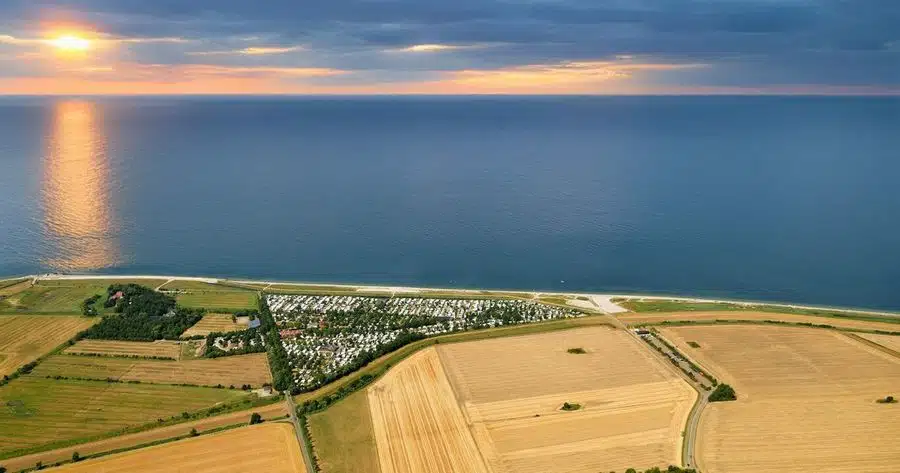
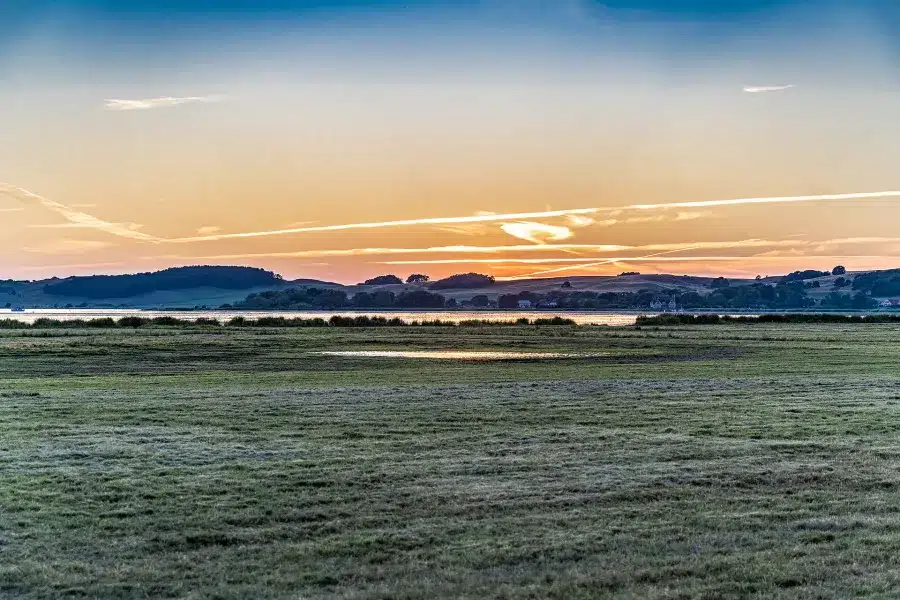
Photo: Südliche Boddenküste, License: CC0 1.0. Sources and licenses
Animals you can meet here
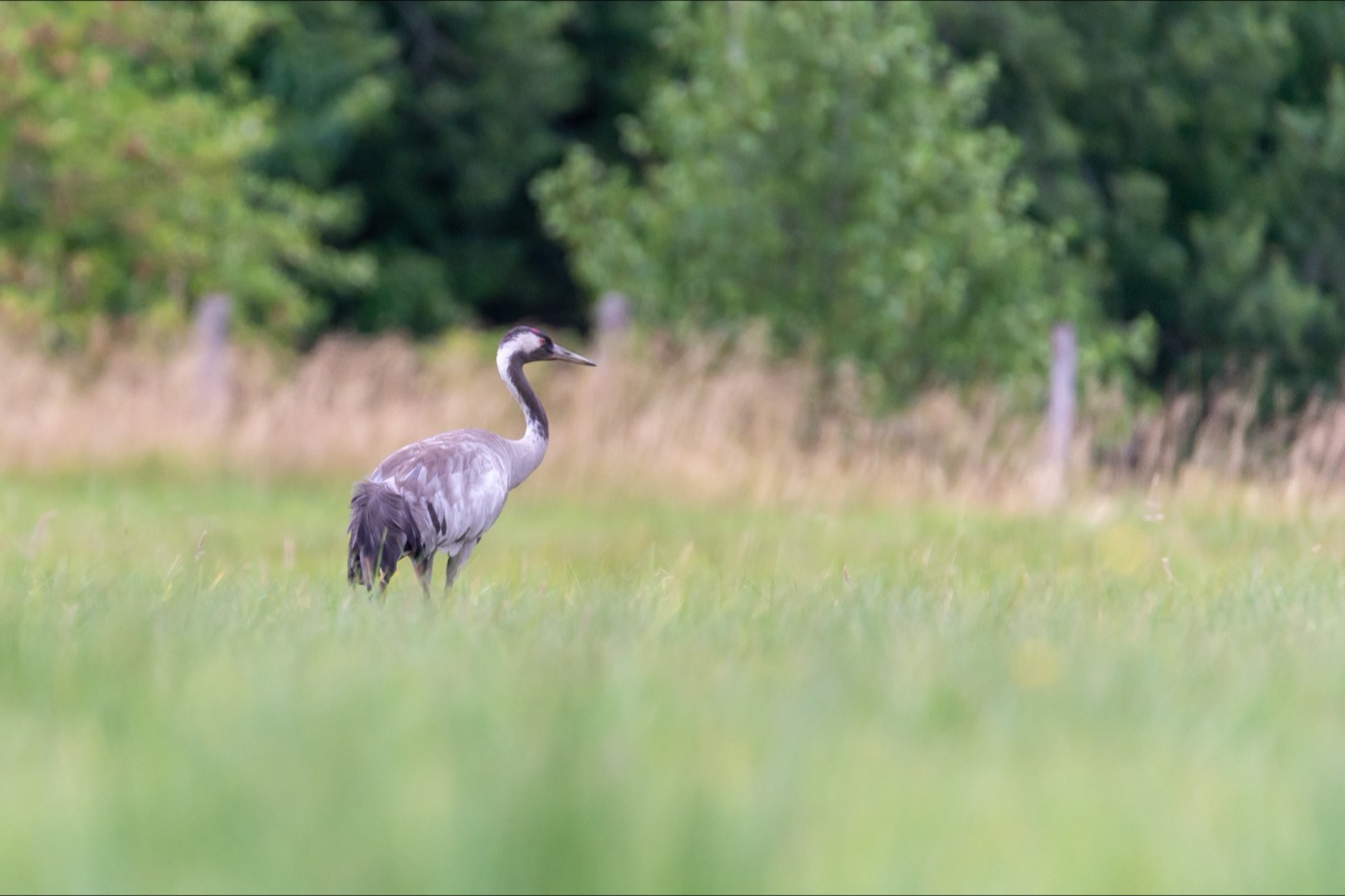 September to October
Common crane
At times more than 70,000 cranes rest in the shallow bodden waters south of Darß and Zingst in autumn, one of the most important staging areas in central Europe. The evening is the moment: they come in from the fields to roost in the shallows.
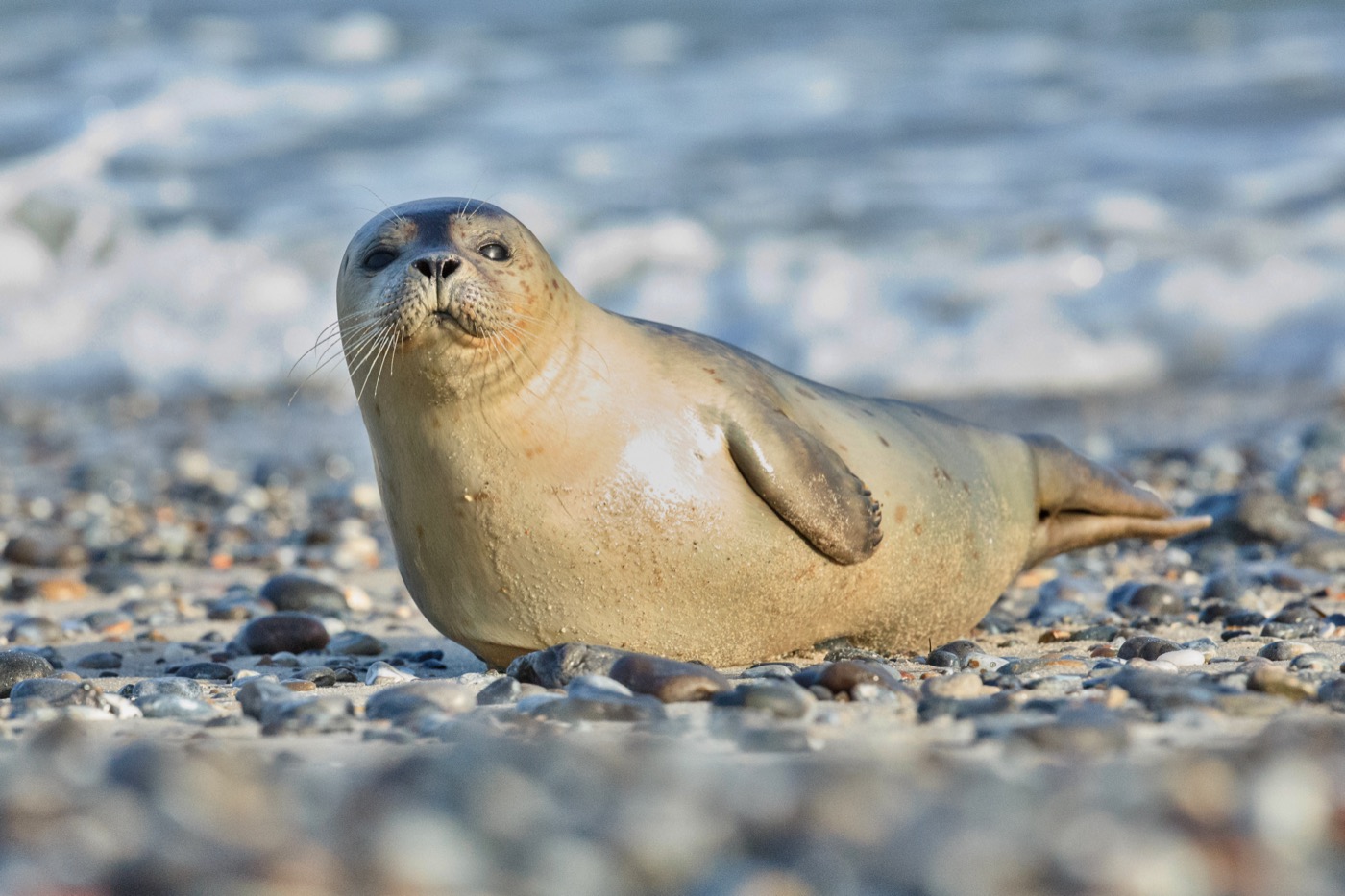 all year
Grey seal
The largest predator in the Baltic had almost gone from these waters and has been back since the nineties. The animals haul out to rest on the sandbanks off Rügen and around the Greifswalder Oie, visible with a bit of luck from an excursion boat.
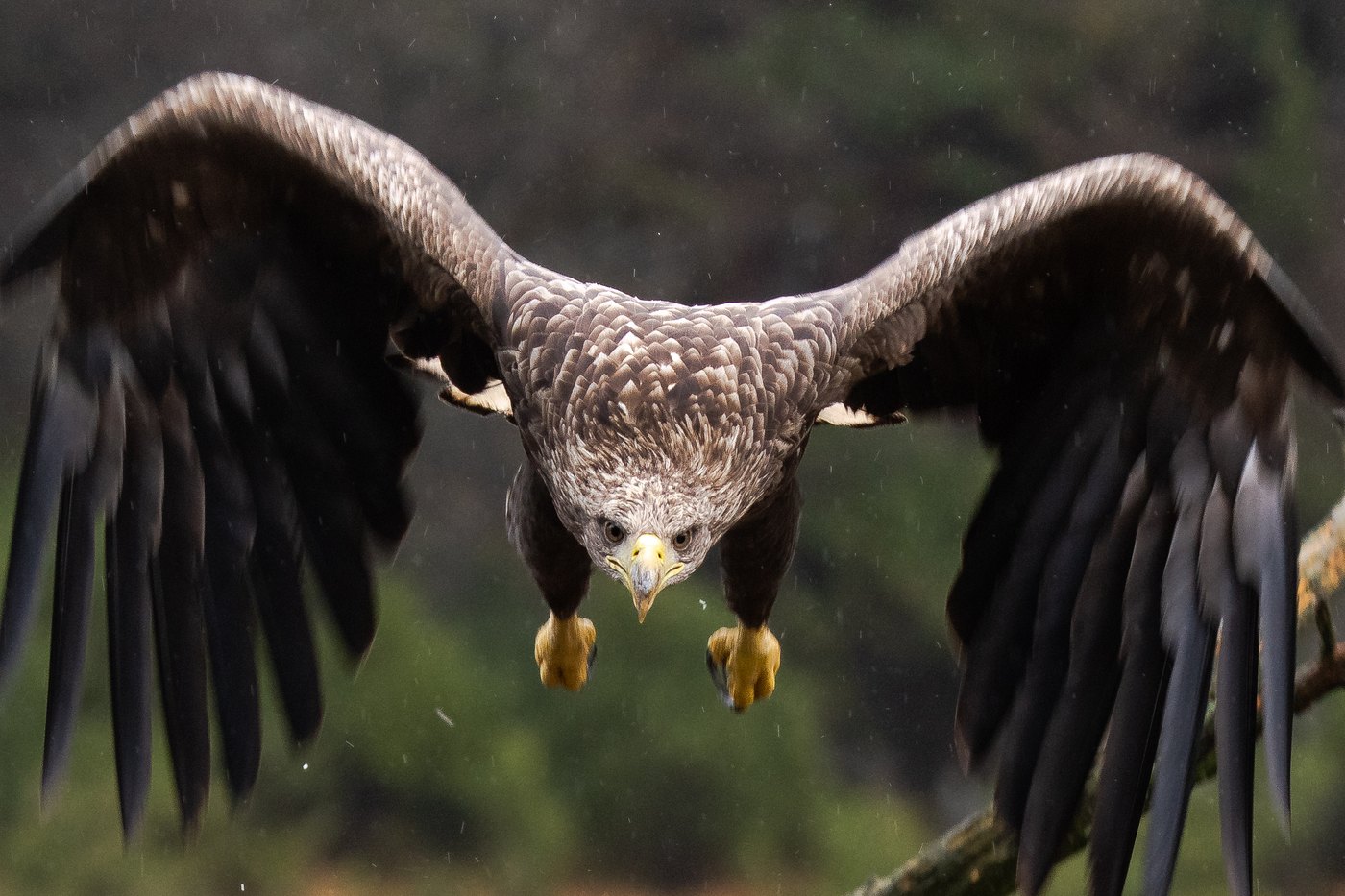 all year
White-tailed eagle
With a wingspan of over two metres it is hard to mistake. The north east holds the largest population in Germany, and over the lakes and lagoons one is usually in the air once you have watched for a while.
 April to September
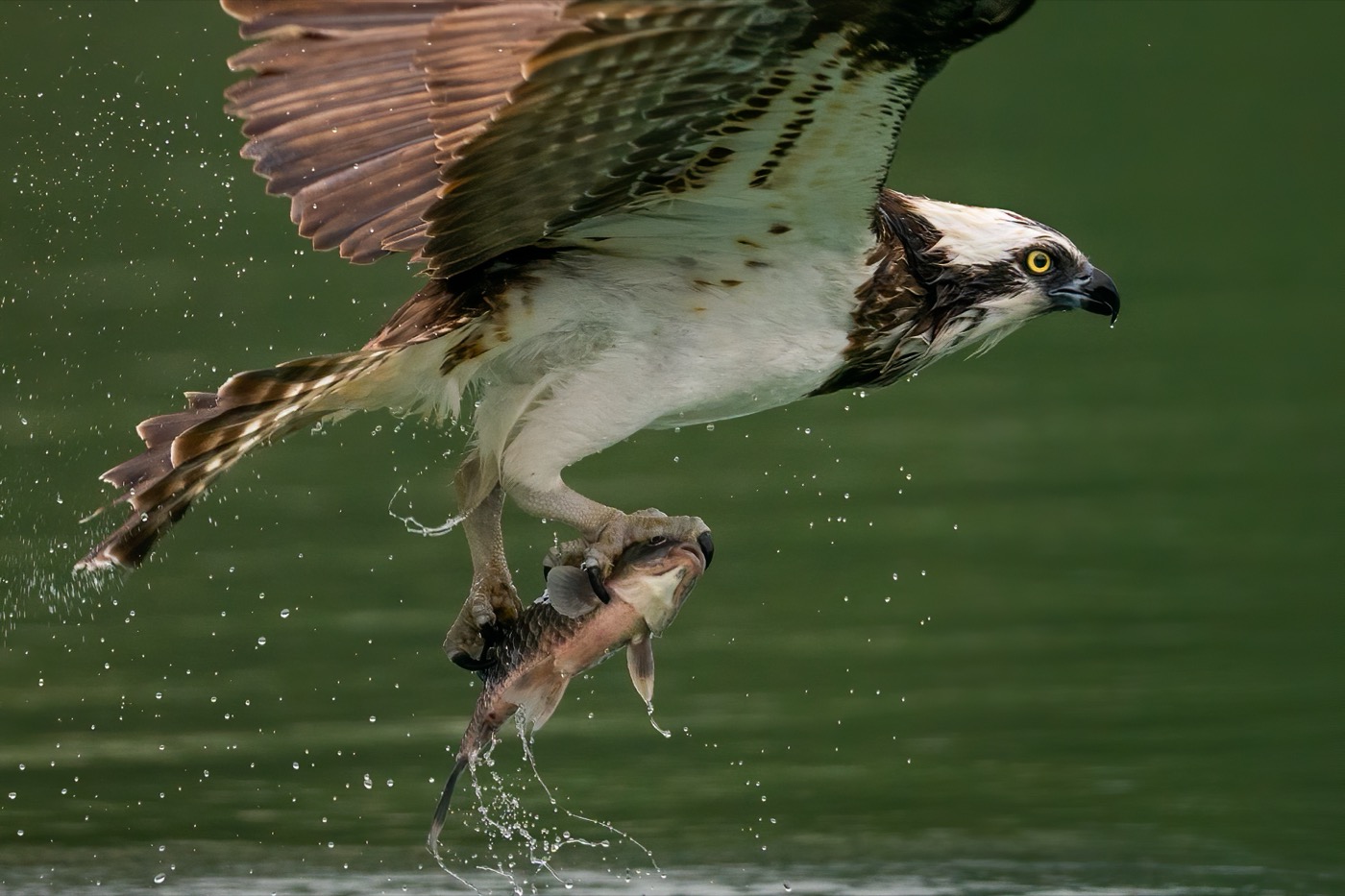
Osprey
The osprey likes to build on pylons, so its nest often stands in plain sight above the country. Hunting, it drops from twenty metres into the water and comes up again with the fish in its talons.
Pictures: Freepik
Dark skies
Places certified by DarkSky International.
Naturpark Nossentiner/Schwinzer Heide
Certified in December 2025. Pine woods, heath and quiet lakes between Krakow am See and Malchow, with wide stretches where no light burns at all once it is dark.
Getting there
- 0 h 45 minRostock
- 3 h 15 minBerlin
- 3 h 30 minHamburg
- 5 h 30 minLeipzig
- 5 h 45 minHannover
- 9 h 00 minKöln
Travel times calculated with OSRM, map data © OpenStreetMap contributors.
Good to know
No fires in the Nationalpark
The ordinance for Nationalpark Vorpommersche Boddenlandschaft forbids lighting a fire. That applies across the whole area, the beach included. In woodland and within fifty meters of it, fires are banned throughout the state.
Cranes in autumn
Tens of thousands of cranes rest between Rügen and the Darß in October. The viewing points are signposted; walking to the roosts on your own drives the birds off and is not allowed.
The bodden are shallow
The lagoons are shallow and warm up fast. The Darß-Zingst chain averages two metres, the larger Greifswalder Bodden almost six. For sailors that means watching the channels, because outside them you run aground quicker than you expect.
Dogs on the beach
Each municipality decides. On many stretches dogs are only allowed on the general beach after the bathing season ends, usually from 1 October, in Kühlungsborn only from 1 November. In high season the marked dog beaches apply, and in some places also early morning and evening hours. In the Jasmund national park a lead is required.
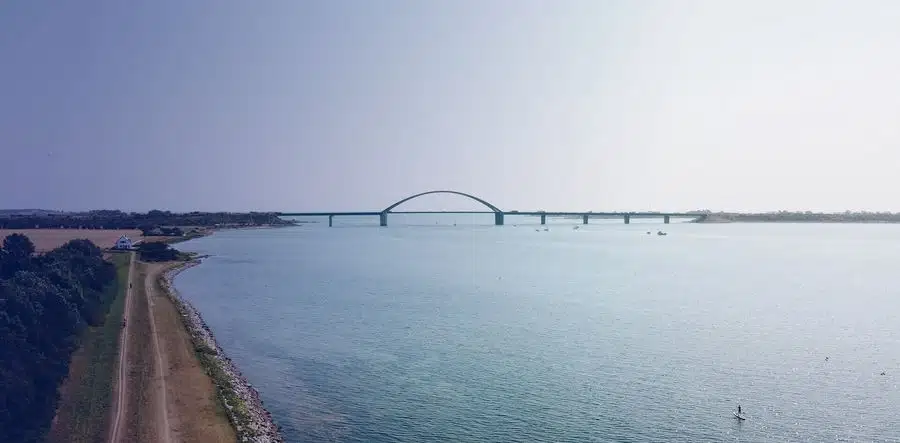
Bridges to Usedom
Both approaches open for shipping, the Peene bridge at Wolgast and the Zecherin bridge. The opening times are posted; a closure lasts up to thirty minutes.
Avenues and cobbles
The old avenues are narrow and the trees stand close to the edge of the road. On some minor roads there is still old cobblestone, which turns slippery in the wet.
Protected landscapes
- Biosphere reserve
- Flusslandschaft Elbe - Mecklenburg-Vorpommern
Names and boundaries: © OpenStreetMap contributors.
From GROUNDS
All articles
About this region
Two destinations in one state: on the coast the sites sit behind the dune, in the lake district they come with their own jetty. Anyone who wants both should allow a good two hours between the Baltic beach and the Müritz.
The state is thinly populated and the campsites show it. High season is July and August; in May and September there is still room even close to the beach.
Common questions
Where is it quietest?
The lake district is far quieter than the coast, even at the height of summer. On the coast itself the bodden lagoons between Fischland and Rügen are calmer than the seaside resorts.
Can you sail or paddle there?
The Müritz and the connected lakes form one continuous waterway where you can travel for days without tying up at the same jetty twice. Many sites have one of their own.
When is the best time to come?
June to September for the Baltic, May to October for the lakes. In October tens of thousands of cranes rest between Rügen and the Darß, which is the quietest and most striking time of the year.
