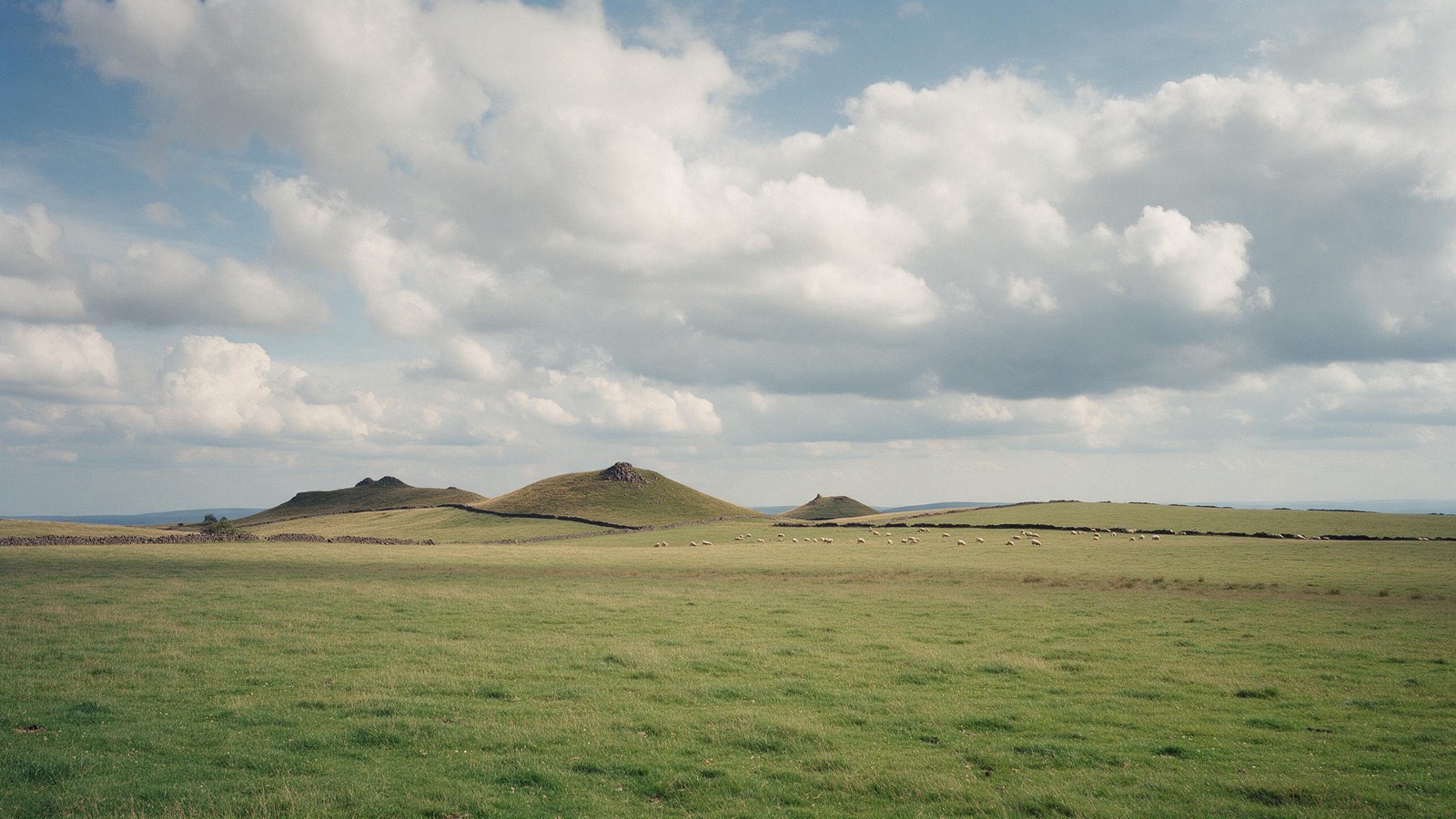
© Andreas Eichler, CC BY-SA 4.0, cropped
Camping in Hesse
With a good 42 per cent forest cover, Hesse is one of the most wooded German states, and that forest is spread across landscapes with little in common. The Rhön with its basalt domes and one of the darkest night skies in the country, the Vogelsberg as the largest continuous volcanic area in central Europe, the Odenwald in the south and the Kellerwald above the Edersee.
58 places and units in this region
Places in this region

1 pitch type
Campingplatz Dreieich
Herzberger Campingwelt
The year in this region
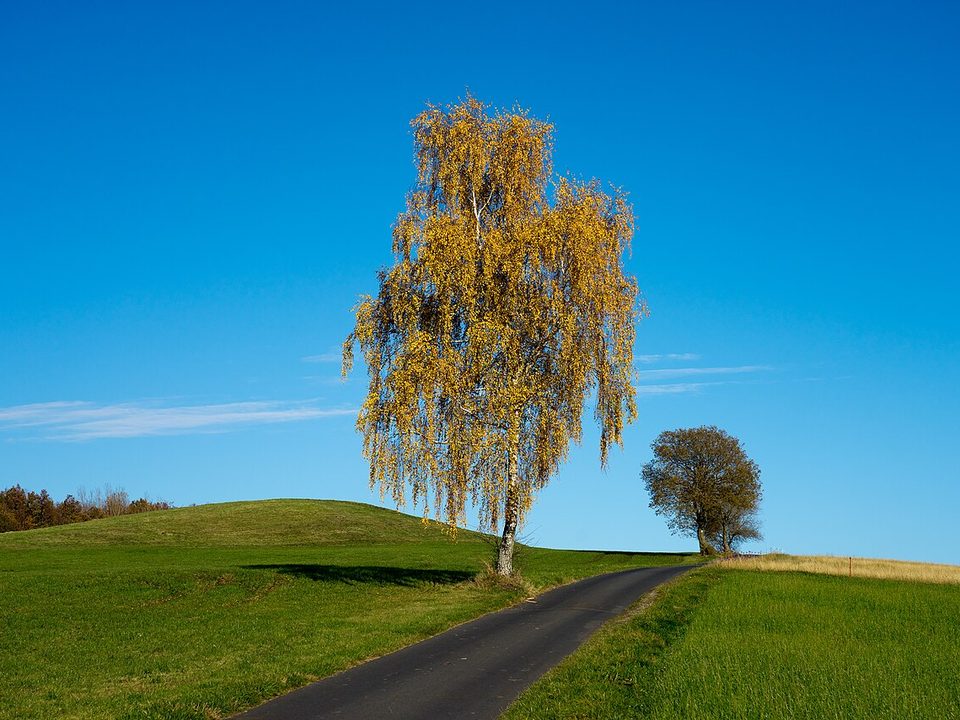
Autumn
November: When the lake drops
From September to November the Edersee stands at its lowest. Then the remains of the three villages that vanished into the reservoir a good hundred years ago come back up: Asel, Berich and Bringhausen. About 900 people had to move away at the time. From 235.10 meters above sea level the four arched Aseler Brücke can be walked again.
In the middle of the month the sun rises at 7:38 AM and sets at 4:37 PM. That leaves 8 hours and 59 minutes of daylight.
Water and air: Open-Meteo, measured averages. How busy: share of school holidays 2027 across all sixteen federal states. Nature dates: German Weather Service, phenological observations 2014 to 2026 at 575 stations in the region, typical day. Photos: Spring © Jürgen Hamann, CC BY-SA 4.0, cropped; Summer © Bonnlander, CC BY-SA 4.0, cropped; Autumn © Jörg Braukmann, CC BY-SA 4.0, cropped; Winter © Jörg Braukmann, CC BY-SA 4.0, cropped.
Tours in this region
Marked tours that fit into a day from a site, and one multi day tour per kind.
- Hiking
Der Hochrhöner
The trail crosses the land of open distances, as the Rhön is called: treeless high ground, basalt domes and views over three federal states. Up top lie raised bogs that have been growing since the ice age. At night the sky here is as dark as almost nowhere else in Germany.
172 kmMulti day tour
- Hiking
Lahnwanderweg
The path accompanies the Lahn from its source in the Rothaar hills to the Rhine, mostly on the slopes above the river. In places the valley is narrow, wooded and full of old quarries and mines, while elsewhere it opens into wide basins. Canoes pass below while you stand on rock ledges and look down.
291.4 kmMulti day tour
- Hiking
Urwaldsteig Edersee, Hauptroute
A circuit of the Edersee, close to the shore and through old beech woods that have been left unmanaged for decades. Fallen trunks stay where they lie, woodpecker holes and dead wood are everywhere, and the path climbs and drops constantly. A wildcat population again lives in the woods on both sides of the lake.
66.8 kmMulti day tour
- Hiking
Kellerwaldsteig
The trail runs through the Kellerwald-Edersee national park, where one of the largest unbroken beech forests in central Europe stands unused and counts as world natural heritage. In spring the forest floor flowers before the beeches come into leaf; in autumn the canopy burns copper. The slopes are steep, the paths narrow.
164 kmMulti day tour
- Cycling
Lahnradweg
The route follows the Lahn from its source to the Rhine, almost always at the water and with little climbing. Between Weilburg and Limburg the valley narrows, with forest reaching the bank on both sides. If you like, you can swap onto a canoe for part of the way.
251.9 kmMulti day tour
- Cycling
Fulda-Radweg
From the Wasserkuppe in the Rhön down to Hann. Münden, where the Fulda and the Werra become the Weser. The first kilometres are downhill; after that it stays flat and quiet, along water meadows and mills. Kassel comes shortly before the end, with the hillside park worth a detour.
261.6 kmMulti day tour
1 site along the tour: KNAUS Campingpark Hünfeld
- Cycling
Vulkanradweg
The route runs on a disused railway line straight through the Vogelsberg, the largest connected volcanic area in central Europe. Because trains dislike gradients, the going stays gentle although it crosses uplands. Old station buildings along the way now serve as rest stops.
96.9 km
- Canoeing
Fulda
Below Bad Hersfeld the Fulda carries enough water for a trip of several days, and the current gives a noticeable push. Between there and Kassel you meet about eleven weirs and four locks, several of which you work yourself. In between a valley of fields and meadows goes by, wooded slopes above it. Rotenburg comes after a good twenty kilometres, Melsungen with its bridge from 1595 on the second day. Downstream of Bad Hersfeld no permit is needed.
96.7 kmMulti day tour
Tours: © OpenStreetMap contributors, ODbL. Lengths calculated from the mapped course, as of September 12, 2026.
Nearby
Photo: kramarek designagentur, License: CC BY-SA 4.0, edited. Sources and licenses
Photo: Ev. Kirchengemeinde Neuenstein, License: CC BY-SA 4.0, edited. Sources and licenses
Animals you can meet here
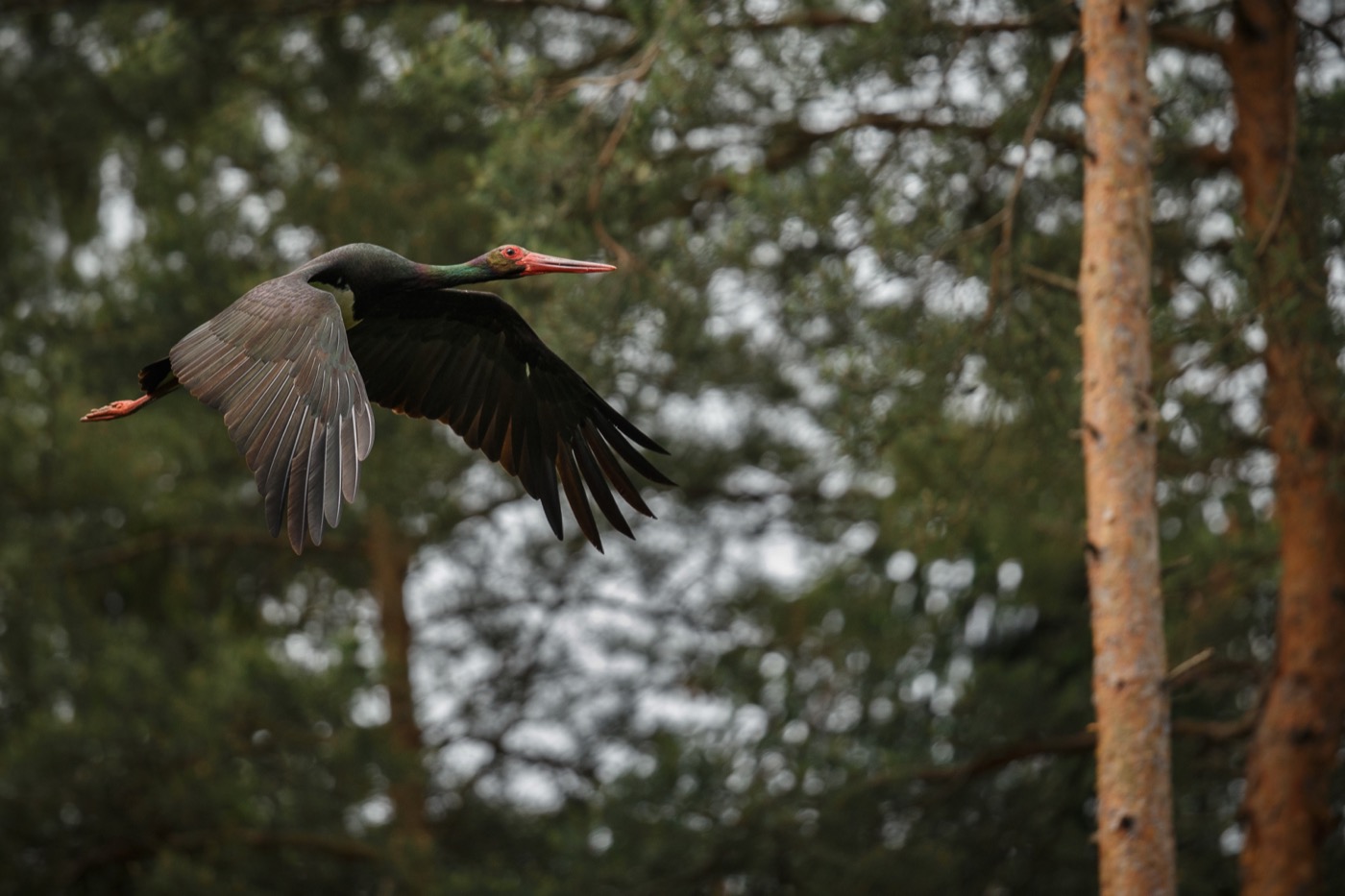 March to September
Black stork
Unlike its white relative it avoids villages and lives hidden in old forest, along streams with shallow water. If you see one it is usually in flight over a clearing, and that stays a rare moment.
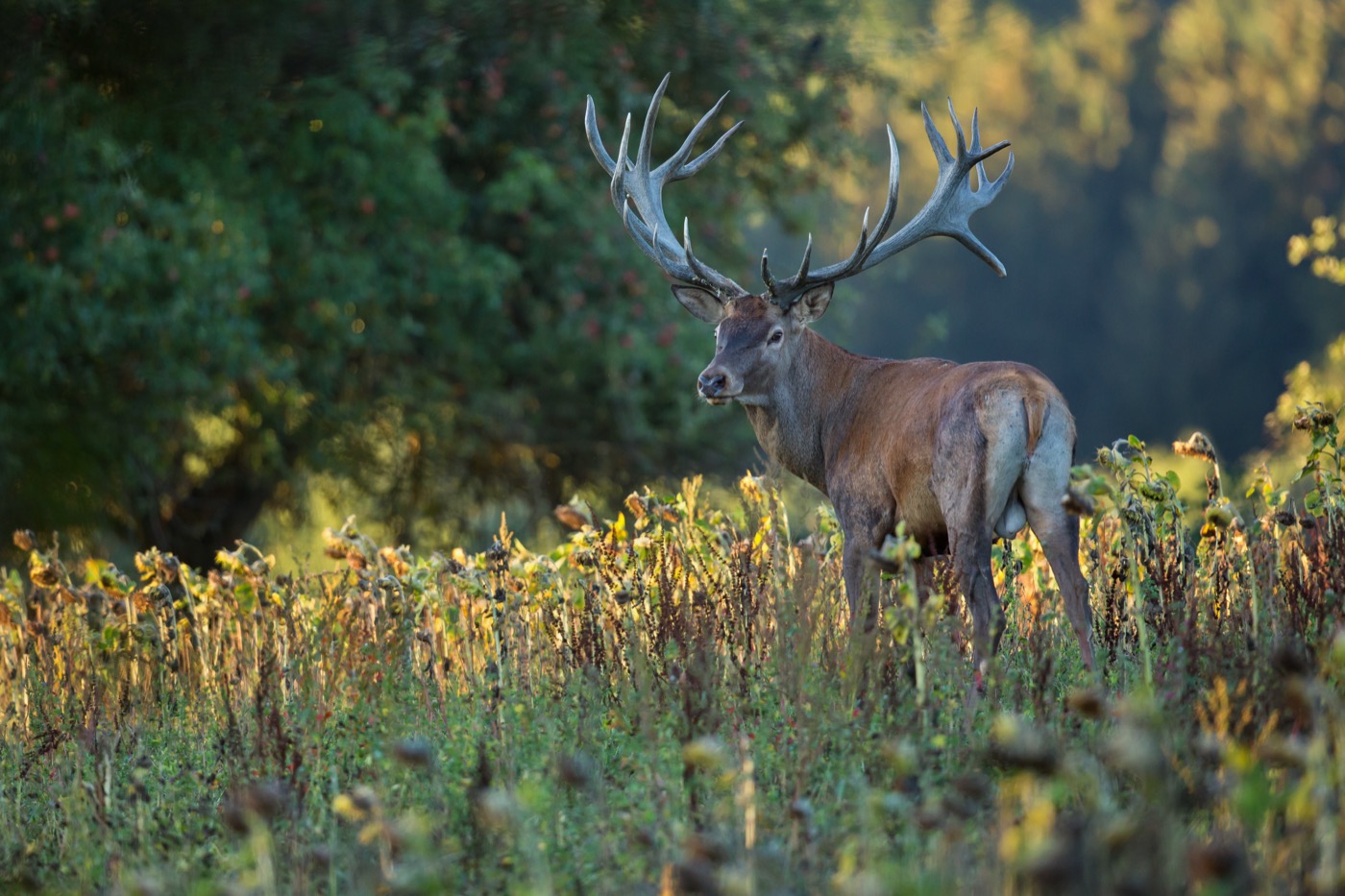 September to October
Red deer
The rut starts in September, and then the stags roar mainly early in the morning, in the evening and at night. You hear them from far away, and many forests have hides at the meadows where you may watch.
 all year
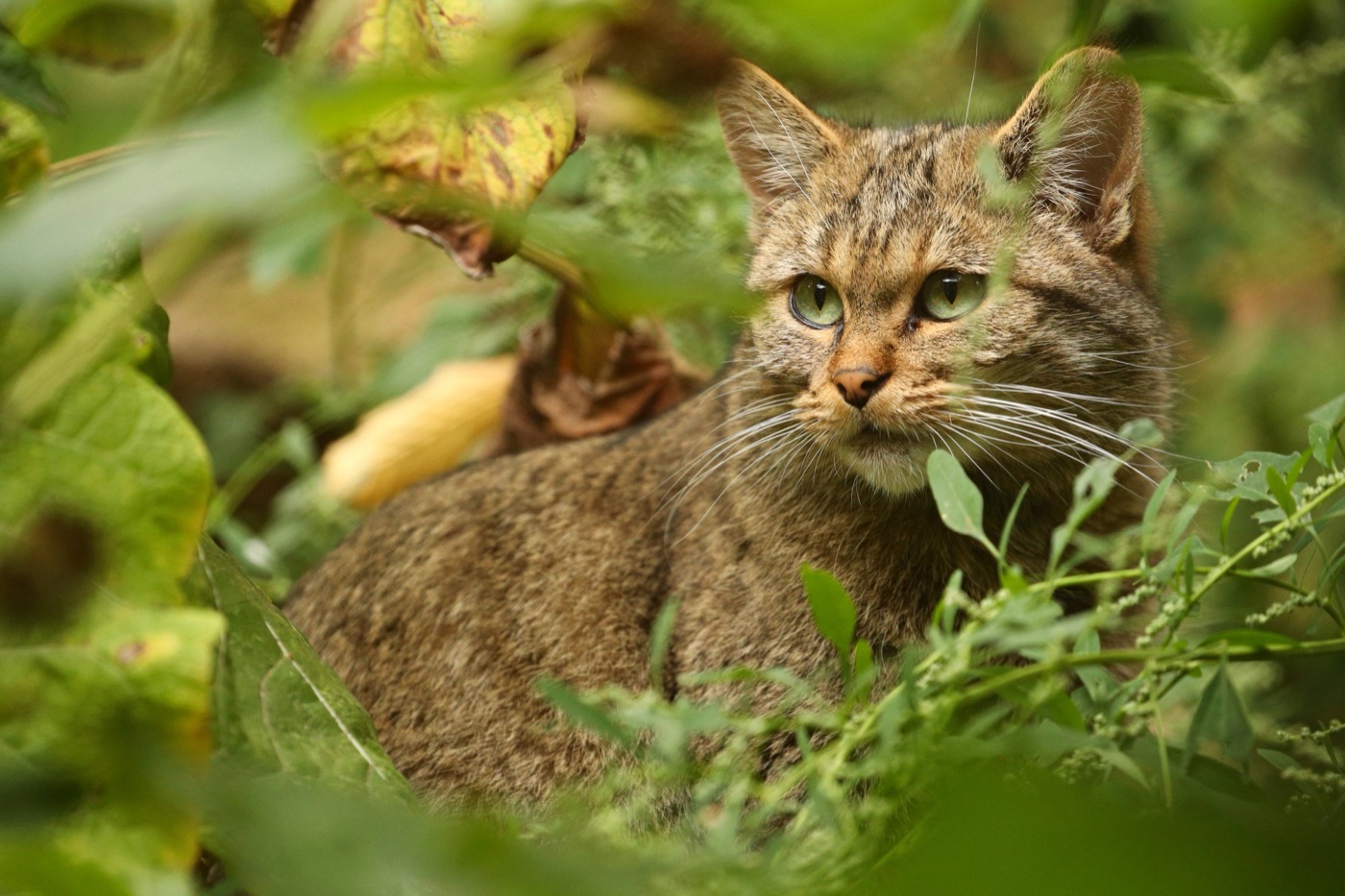
European wildcat
The wildcat needs old broadleaf forest with dead wood and cover, and that is exactly what grows here. It is shy and moves at dusk, so most guests meet one in a wildcat enclosure or follow its tracks on one of the trails.
 February to June
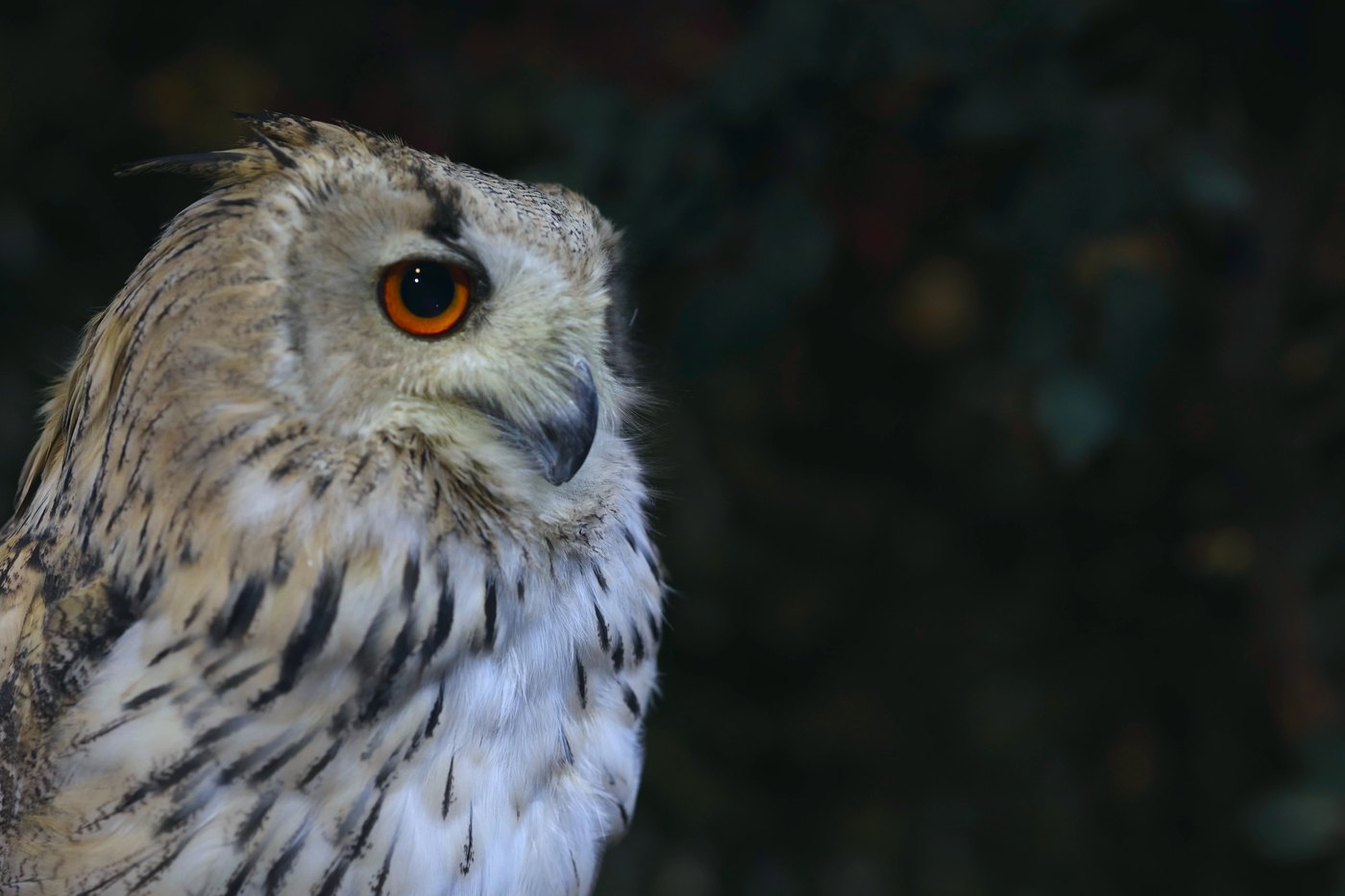
Eagle owl
The largest owl in Europe nests on rock ledges and in old quarries. From February the male calls at dusk, a deep soft hoot that carries across the whole valley.
Pictures: Freepik
Dark skies
Places certified by DarkSky International.
Sternenpark Rhön
The biosphere reserve where three states meet is among the darkest country in central Germany. The Hohe Geba has observing platforms for telescopes, and a dozen open air sky sites come with loungers and star charts.
Fulda
The first dark sky community in Germany, certified in 2019. The town on the western edge of the Rhön dark sky place has converted its street lamps so the sky above the biosphere reserve stays dark.
Getting there
- 1 h 45 minFrankfurt am Main
- 1 h 50 minKassel
- 2 h 00 minWürzburg
- 3 h 55 minKöln
- 4 h 05 minStuttgart
- 5 h 45 minBerlin
Travel times calculated with OSRM, map data © OpenStreetMap contributors.
Good to know
Ferries instead of bridges
Between Wiesbaden and Koblenz no bridge crosses the Rhein for a good 80 kilometers. Anyone heading to the far bank at Rüdesheim or Lorch takes the car ferry. The crossing to Bingen lasts six minutes.
Stay on the paths in the national park
In the Kellerwald you do not leave the trail. Much of the forest is left to itself, and dead wood comes down without warning. In stormy weather the park administration asks visitors to stay out of the forest.
Fire and barbecues
Open fire is banned in the forest and within a hundred metres of it, all year. Barbecue places are marked, and they close when wildfire risk is high.
The Edersee rises and falls
In late summer the level drops considerably, because water is released for the Weser. In dry years it falls more than twenty metres below full pool, and such years are becoming more frequent. Jetties end up on dry land and bathing places move. Check before you set off.
Dogs and grazing animals
Sheep and cattle graze the open ground in the Rhön and the Vogelsberg. Dogs belong on the lead there, and gates get closed behind you.
Narrow village streets
The half timbered villages of the Odenwald and the Rhön have tight lanes with overhanging upper floors. The signed diversions are not a suggestion.
Protected landscapes
- National park
- Kellerwald-Edersee
- Biosphere reserve
- Rhön
Names and boundaries: © OpenStreetMap contributors.
About this region
Hesse sits in the middle of the country and has more forest than any other German state. The Rhön with its dark sky park, the Odenwald, the Vogelsberg as the largest continuous volcanic area in central Europe, and the Edersee with the Kellerwald national park.
Everything is one or two hours from Frankfurt. The sites are busy at weekends and quiet midweek for exactly that reason.
Common questions
What is the Rhön dark sky park?
The Rhön is one of the few areas in Germany with a genuinely dark night sky. There are observation points on the Wasserkuppe and around Gersfeld, and several campsites lie inside the core zone.
Where can you swim?
In the Edersee and the Twistesee, plus the bathing lakes around Frankfurt. In late summer the Edersee sometimes drops far enough for the remains of the flooded villages to show.
When is the best time?
May to October. The beech woods of the Kellerwald are at their best in October, and by then the sites are quiet again.
